Home · July 13, 2026 · 2 min read
Nobody Has Ever Cried About Square Footage
Thirty-eight years of walking through other people's houses, and the thing that moves people is never the thing in the listing.
By Tim & Karen Branoff
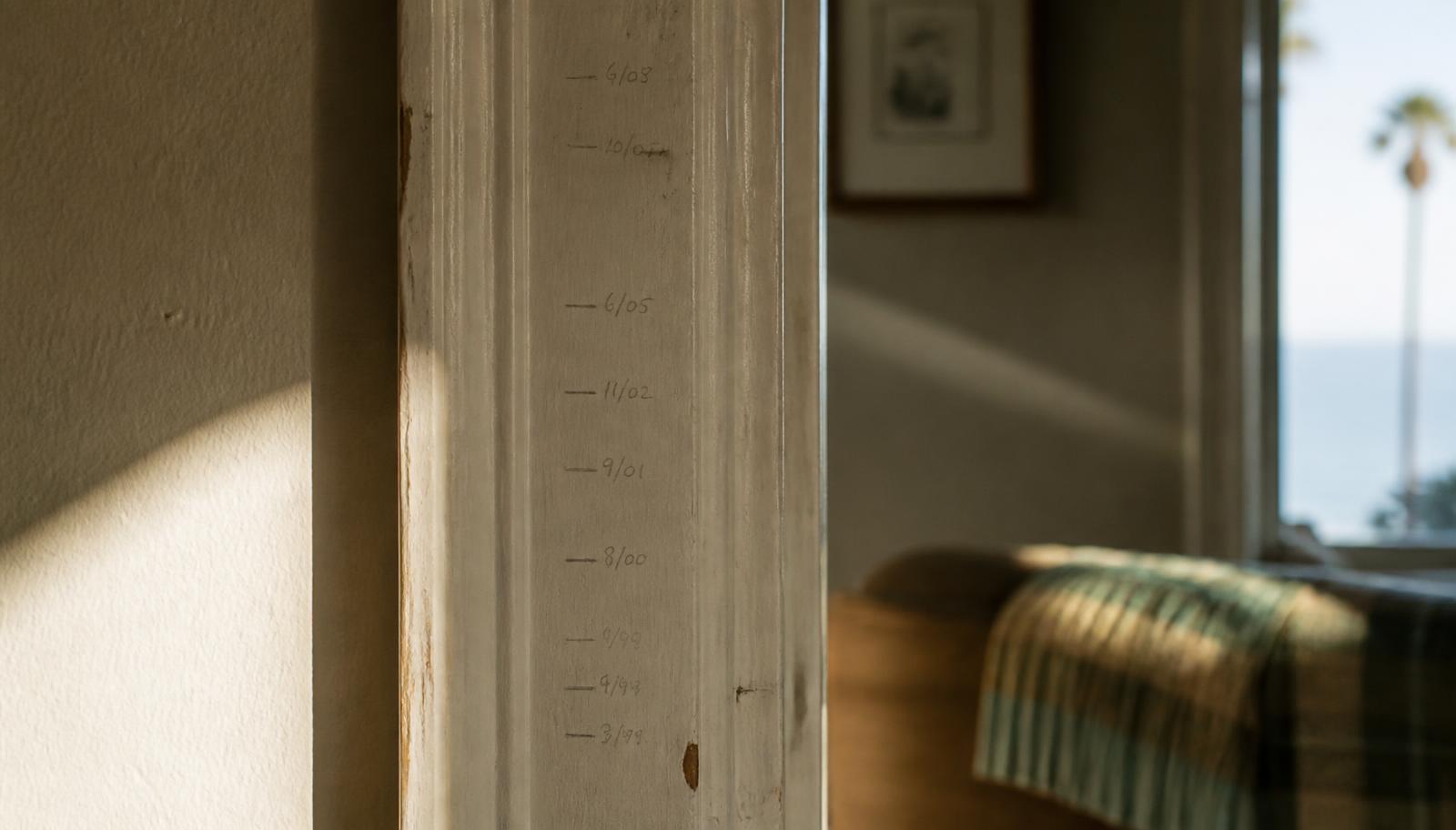
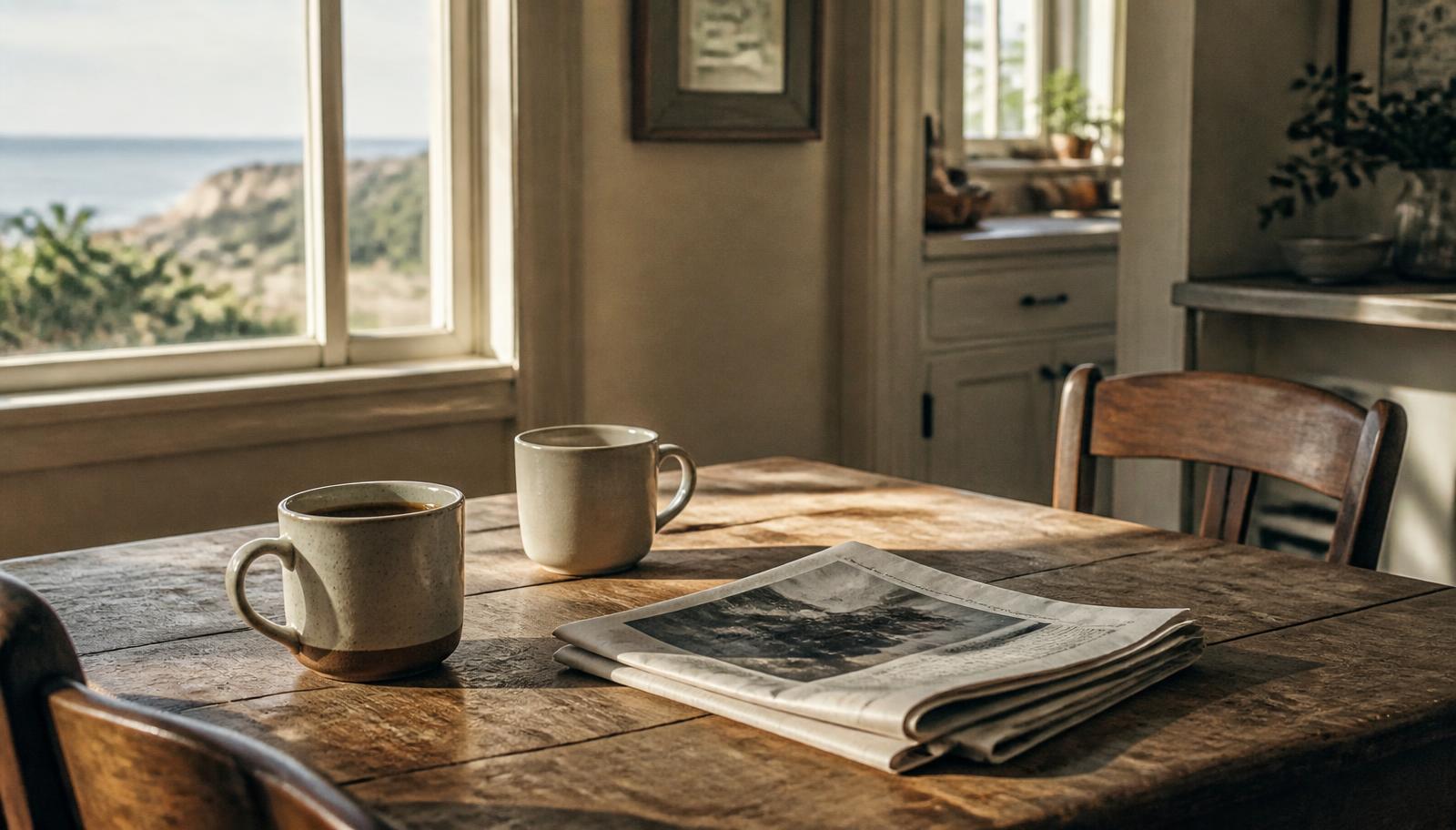
We have been in a lot of houses. Here is a complete list of the things we have watched people get emotional about: a doorframe with pencil marks on it. A backyard tree. The particular sound a screen door makes. A kitchen window and what is visible through it at four in the afternoon.
Not once, in thirty-eight years, has anyone stood in a room and been moved by its dimensions.
A house is a container. A home is a set of habits that container made possible.
The inventory problem
Real estate has a vocabulary problem. The industry describes homes in units that are easy to compare — feet, bedrooms, years — because comparison is what a market needs. But nobody experiences a house comparatively. You experience it as a sequence: where you put your keys, which chair is yours, the route you take at night without turning on lights.
When people say a house "feels right," they are usually detecting whether their existing sequence can survive in it.
What people actually take with them
Not much, physically. But everyone leaving a long-tenure home carries out one or two objects that make no sense to anyone else. A cabinet knob. A tile. A piece of the fence.
We have never asked anyone to explain it. It does not need explaining.
The unsentimental footnote
None of this means the practical part does not matter. It matters enormously, and pretending otherwise would be its own kind of dishonesty. Numbers are how a family protects itself.
But we have learned to keep the two conversations separate. The numbers conversation is at the table with paperwork. The home conversation happens standing up, usually in a hallway, usually about a doorframe.
- home
- memory
- objects